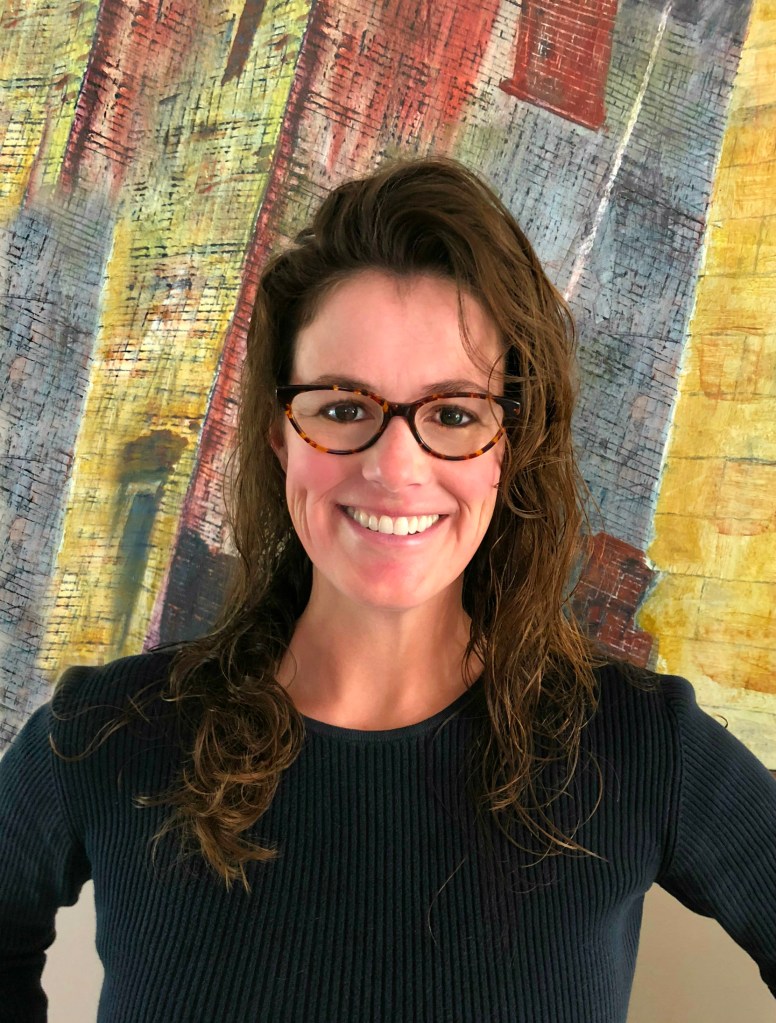
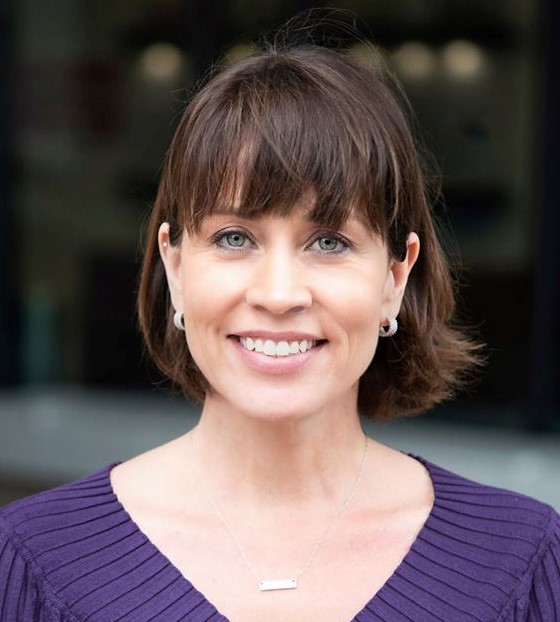
Natalie Dorfeld has been in higher education for the last 25 years. She began as an adjunct professor in northwestern Pennsylvania, where she taught at Thiel College, to presently a full professor of English at Florida Tech. The bulk of her research focuses on contingent labor issues. It examines the growing and detrimental reliance on adjuncts in the humanities, first-year composition classes in particular.
Her latest edited collection (The Invisible Professor: The Precarious Lives of the New Faculty Majority) can be found under WAC Clearinghouse and/or the University Press of Colorado.
What is your good news?
I’ve been very lucky this semester. In 2025, I was awarded Distinguished Colleague Award from the Florida College English Association, Kerry B. Clark Faculty Excellence Award for Teaching, and Strongest Female at Florida Tech’s Bench-Pressing Contest. I am most proud of the last accolade because I am a seasoned old lady.
Why did you join FCEA? How has membership in this organization had an impact on you and/or your career?
The FCEA is a wonderful and underrated chapter in Florida. Members are kind, witty, collegial, and wish to help one another in the field and beyond. I have always come away from the conferences feeling energized and full of ideas for the classroom.
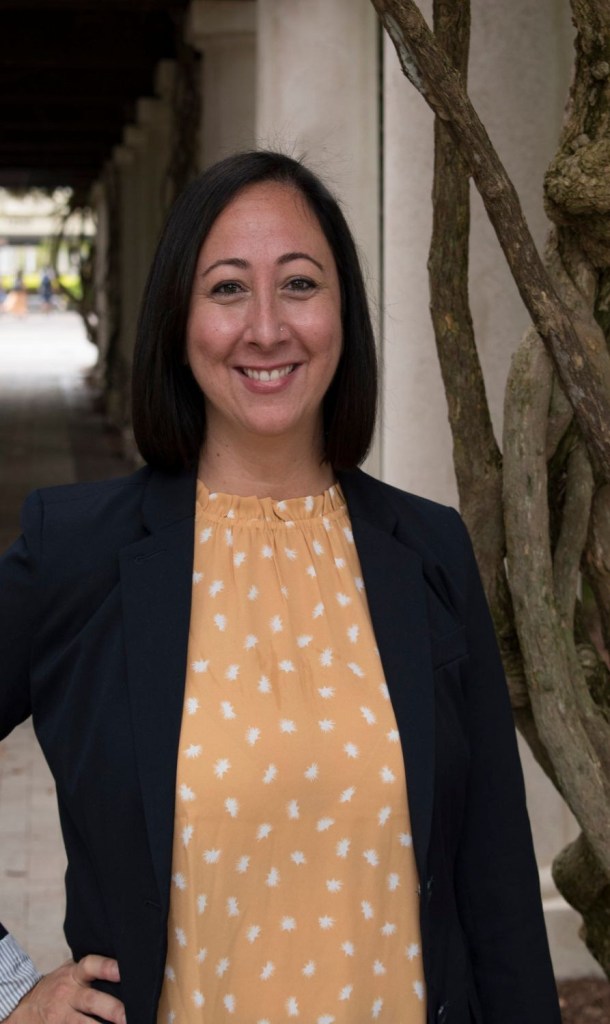
Dr. Stephanie Lance is a full-time English Instructor at Hillsborough Community College, Tampa FL. She earned a Ph.D. in Literature from the University of South Florida in 2019 and a M.A. and B.A. in English from Florida Atlantic University. She has been teaching college composition and literature courses for over 15 years. Dr. Lance’s current research explores slaughterhouse imagery in twentieth and twenty-first century texts. She primarily focuses on the shared bodily oppression that exists between humans and other animals. Research interests also include Composition Studies, Feminist Theory, Environmental Ethics, Food Studies, along with Working-Class Literature, and Critical Animal Studies.
What is your good news?
Dr. Lance is published in the MOSF Journal of Science Fiction and her most recent article, “Fabricant, It’s What’s for Dinner: Tracing Industrialized Slaughter through Upton Sinclair’s The Jungle, Tillie Olsen’s Yonnondio: From the Thirties, and David Mitchell’s Cloud Atlas,” is published in the fall 2023 issue of Studies in the Fantastic.
Why did you join FCEA? How has membership in this organization had an impact on you and/or your career?
My first graduate conference was at the 2009 FCEA conference in Boynton Beach, FL. I was in the M.A. Program at FAU. The conference was exciting and filled with lots of friendly faces. As a young scholar and graduate student, I appreciated the feedback and support I received at the conference. Because of this pleasant experience, along with publishing and presenting at recent FCEA conferences, I am thrilled to continue as a member of the FCEA board in the role of secretary, and as part of the conference committee team. I couldn’t think of a better way to give back to the warm community of scholars who gave a young graduate student the confidence and support at her first conference.
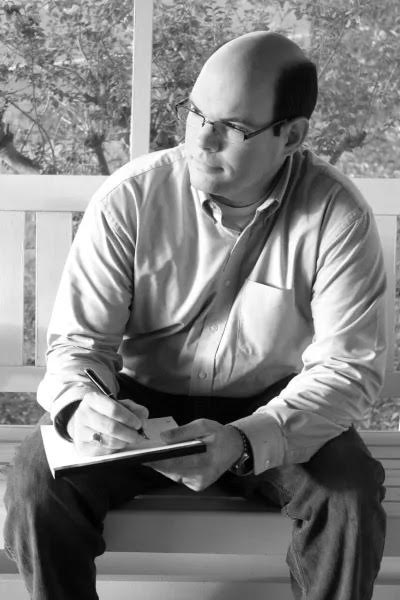
John Davis Jr. is a Florida poet and educator. His poetry has appeared in dozens of literary journals internationally, and he has won many writing awards including the 2021 Sidney Lanier Poetry Prize. He holds an MFA from the University of Tampa and has taught literature and writing at secondary schools and colleges for nearly 20 years.
What is your good news?
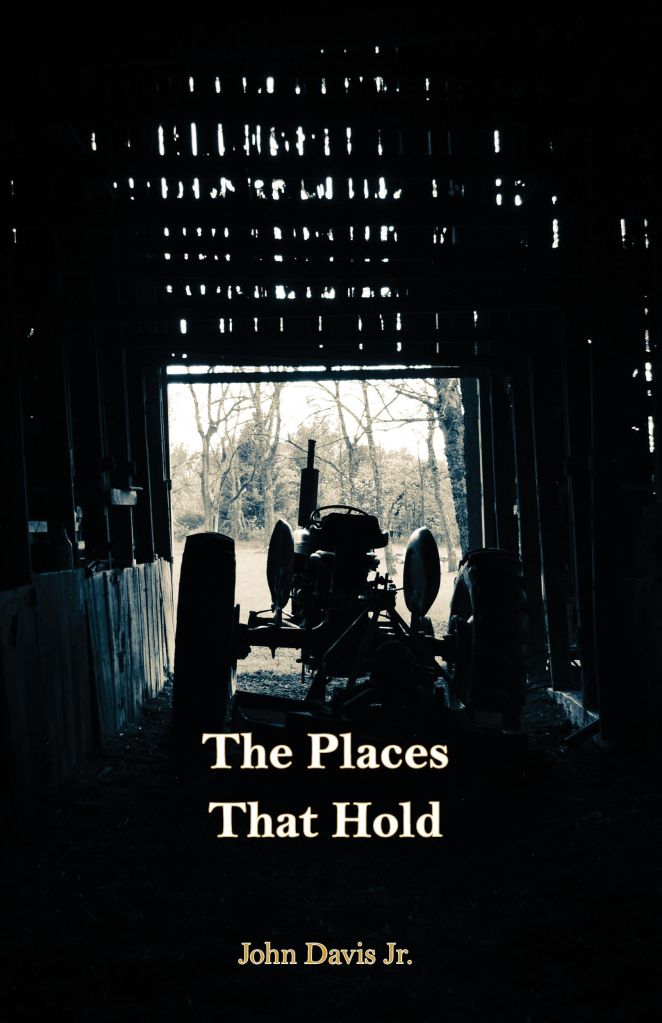
Davis’ fifth collection of poems, The Places That Hold, was recently published by Eastover Press. The Places That Hold praises the dusty morning light of citrus farming and the pleasures of fatherhood as it explores the darkness of places like the infamous Dozier Reform School in Florida’s panhandle. Intertwining past and present with rural life, social justice, and the value of family, The Places That Hold offers readers a glimpse into the lesser-known corridors of the Sunshine State.
Why did you join FCEA? How has membership in this organization had an impact on you and/or your career?
Being a member of FCEA has allowed me to enjoy the collegiality and shared knowledge of an extended group of higher education professionals. I’ve greatly enjoy it.
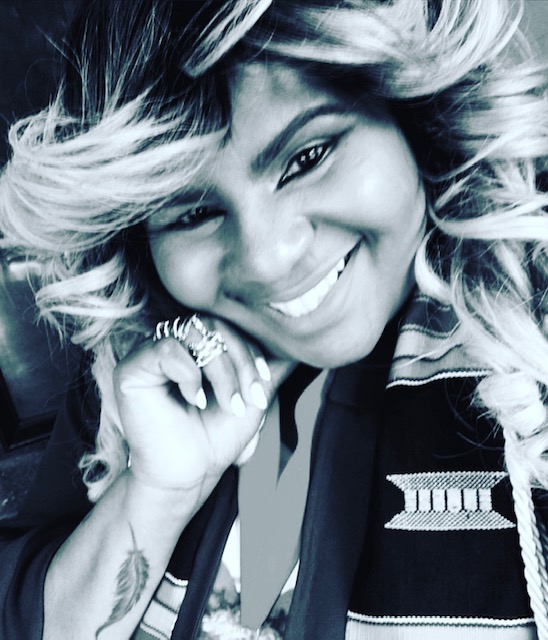
Tiajuana L. Tillman is an African-American female of Blackfeet Indian decent. She holds a Master’s degree in English Literature from Howard University and a Master’s in Business Administration from Trinity Washington University. Furthermore, she is a doctoral candidate at Morgan State University. Her fields of specialty are Existentialism, Transgenderism, and Professional/Technical Writing.
Why did you join FCEA? How has membership in this organization had an impact on you and/or your career?
Tiajuana joined the FCEA because she wanted to present at the 2020 conference. However, COVID meant she wasn’t able to. She submitted and presented at the 2021 conference in October: “McTeague in the 21st Century: Naturalistic Characteristics Viewed Through an Experimental Lens.”
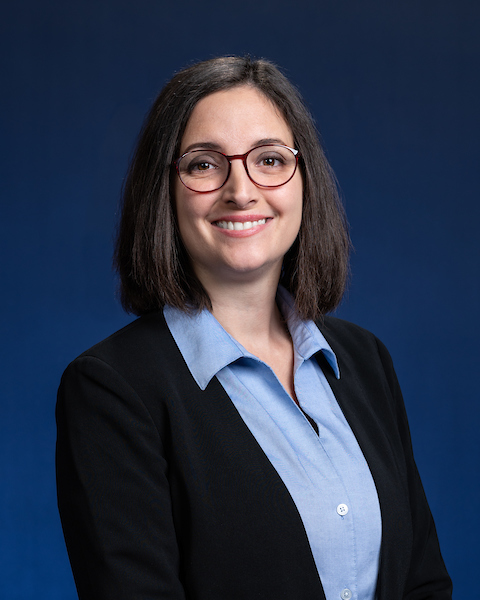
Camille Vilela-Jones is a Brazilian PhD student in Literature at Florida State University who focuses on 20th Century British Modernism. A Fulbright scholar, Camille has earned her MA from Texas Tech University in Applied Linguistics. She’s currently writing her dissertation on an analysis of the Brazilian translations of the novel Ulysses by James Joyce.
When did you first become a member of FCEA?
In 2019.
What do you do for FCEA as our graduate liaison?
I communicate with graduate students to promote FCEA and its conference across Florida.
What would you like FCEA Members to know about how your position on the Board impacts them and their membership?
I bring the perspective of a graduate student and make sure their voices are heard in the board
Why did you decide to become a FCEA Board Member?
I felt welcomed at FCEA and its lack of grad students called my attention. I’m working hard to change this reality
What are the benefits of being on the FCEA Board?
By being a member of the board I learn a lot about how an organization like FCEA works and how a conference can be organized. I’ve already put that knowledge into use at Florida State University, where I’m organizing a grad student conference alongside other grad students.
Is there anything else you’d like to share?
I’m thankful for being welcomed in this organization and for the camaraderie I’ve been treated with from my first conference with FCEA till this day. Thank you, FCEA.
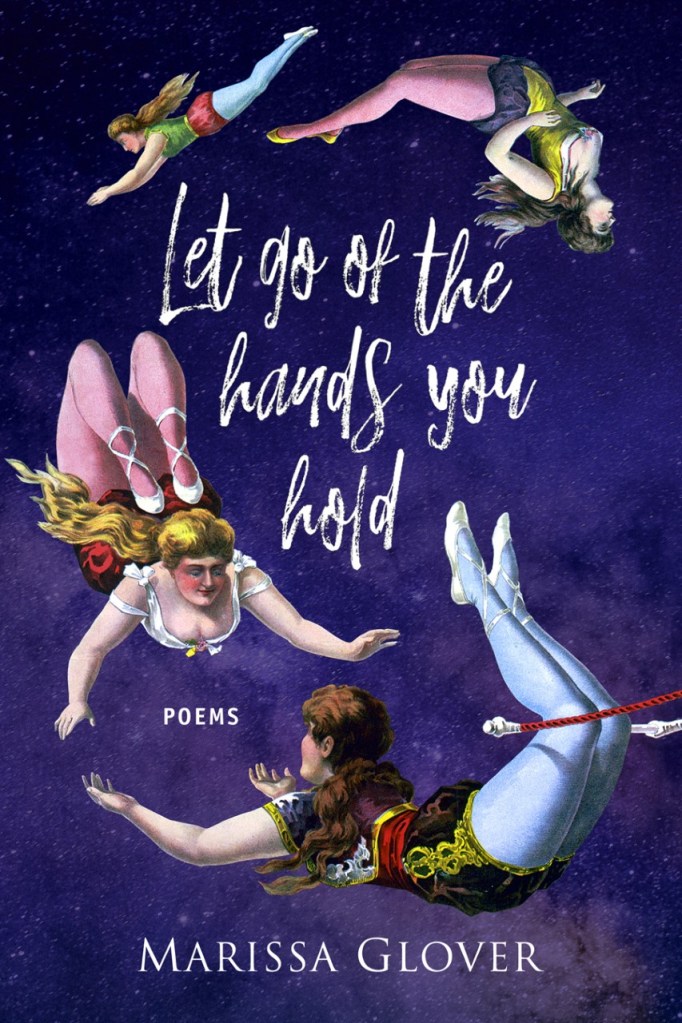
Marissa Glover, FCEA Member and author of Let Go of the Hands You Hold (Mercer Press)
FCEA Member Marissa Glover’s first full-length poetry collection Let Go of the Hands You Hold was just published by Mercer University Press!
Right now, readers can receive a 20% discount when ordering directly from the publisher. Click the image of the book cover to order. Use “MUPNEWS” as the discount code at checkout. Select “media mail” for free shipping!
Marissa joined FCEA in 2015 as a way to become more involved with people in the English discipline. The annual conference is one of her favorite conferences every year – she learns a lot about her profession and enjoys the time spent with old and new friends. She served three years as Secretary of the FCEA Board, and this position (along with her membership) helped her discover the national organization, College English Association. All of these friendships and memberships have furthered her career as a teacher, scholar, and writer.
Recently named a 2020 Best of the Net Finalist, Marissa Glover teaches writing, humanities, and public speaking courses at Saint Leo University. Before academia, Marissa worked as a writer and editor for more than fifteen years. She is currently co-editor of Orange Blossom Review and a senior editor at The Lascaux Review, and her own work has been widely published in various journals and anthologies.
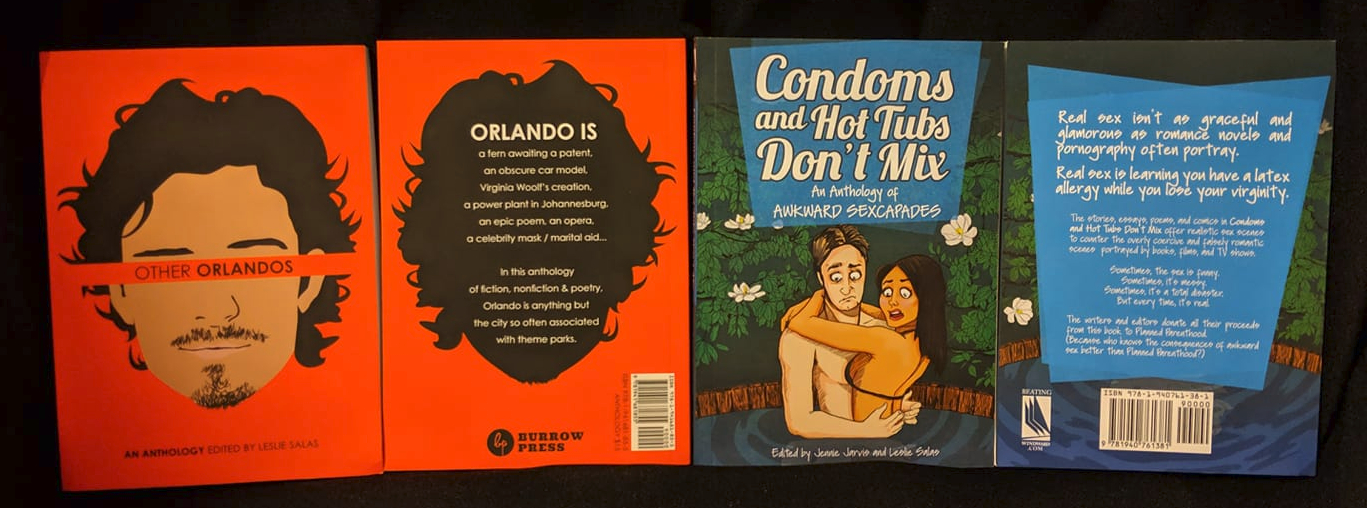
Leslie Salas teaches courses in Composition, Studies in Literature, Technical Report Writing, and Creative Writing while also serving as Comics Editor for Sweet: A Literary Confection and Webmaster for FCEA. She has edited two anthologies, Other Orlandos (Burrow Press, 2017) and Condoms & Hot Tubs Don’t Mix (Beating Windward Press, 2018), and has two essay collections on father figures in animated television shows under contract with McFarland & Company.
When did you first become a member of FCEA?
I joined in 2014.
Why did you join FCEA? How has membership in this organization had an impact on you and/or your career?
I joined because I was accepted to present at a conference several years ago. I’ve been a member ever since! I enjoy presenting at these conferences and attending the presentations of other Florida English scholars.
What do you do for FCEA as our webmaster?
I maintain and update the FCEA website, including all of the virtual forms used for registration, submissions, and nominations. I also sometimes help with managing some of our social media accounts.
What would you like FCEA Members to know about how your position on the Board impacts them and their membership?
I do my best to consider the needs of FCEA members when designing the website! I want the information you need to be easily accessible, especially for our annual conference.
How long have you been on the FCEA board?
Since 2018.
Why did you decide to become a FCEA Board Member?
After being an FCEA member for several years and being annoyed at the poorly-designed, out-of-date website, I decided to take things into my own hands! I offered my services to help re-vamp our web presence so that it matches the quality and caliber of the annual conference as well as the notable contributions of all of our members.
What are the benefits of being on the FCEA Board?
Being a Board member is more than just a line on a CV–it shows an enhanced level of commitment in our field and is a way of serving the unique needs and interests of our region. Not only am I delighted to have a direct impact on the way the organization is perceived (through our web presence), I’ve also really enjoyed getting to know other Florida English scholars at other universities.
What advice do you have for anyone who might be thinking about becoming an FCEA Board Member?
Do it! Come to our board meeting at the end of the annual conference to meet us and chat about whether or not you might want to take the plunge.
Is there anything else you’d like to share?
If you have any recommendations for the website, please let me know! I’d love to take them into consideration.
Leslie Salas’ anthologies, Other Orlandos (Burrow Press, 2017) and Condoms & Hot Tubs Don’t Mix (Beating Windward Press, 2018).
Originally from Northeast Ohio, Christopher Nank has been a Floridian since 1998, with a brief stop in the DC area mixed in. He got his BA in English from Ohio University and MA and PhD in Literature from Florida State University. His interests have ranged all over the place throughout his career; currently he’s been into eco-critical readings of contemporary and historical literature, and looking at depictions of climate change and apocalypse in literature and media.
When did you first become a member of FCEA?
I joined in 2014.
Why did you join FCEA? How has membership in this organization had an impact on you and/or your career?
To be honest, I was thinking of quitting academia back when I joined; it’s done nothing less than help me rediscover my enthusiasm for literature, teaching, and writing!
What do you do for FCEA as our treasurer?
Handling, reviewing, managing the Association’s finances!
What would you like FCEA Members to know about how your position on the Board impacts them and their membership?
Everything we do/provide at our conferences (and beyond) requires money, from your membership and registration fees to funds we receive from publishers to set up displays; it’s primarily my job to make sure we’re operating within our limits and means!
How long have you been on the FCEA board?
Since 2019.
Why did you decide to become a FCEA Board Member?
I was invited, and I’d wanted to become more involved in FCEA for several years.
What are the benefits of being on the FCEA Board?
Meeting and working with a lot of cool and friendly people, primarily! But it’s also been great having a voice in some of the guiding decisions we make as an association.
What advice do you have for anyone who might be thinking about becoming an FCEA Board Member?
Go for it if you have the opportunity! So far, for me, it’s been fun and engaging.
Sherri Ahern is a doctoral student of Higher Education at Florida International University in Miami. She has her master’s degree in English Literature, with a concentration on identity studies, Shakespeare, and Mary Shelley’s Frankenstein. Sherri has now moved into the field of higher education to study policy surrounding collegiate recovery for students with substance use disorders.
When did you first become a member of FCEA?
I joined between 2015 and 2018.
Why did you join FCEA? How has membership in this organization had an impact on you and/or your career?
I joined because I presented at the 2018 FCEA conference. I was able to present at the 2019 conference as well. As a Ph.D. student, professional affiliations and presentations are important to me, so FCEA has helped me with that.
What do you do for FCEA as our social media coordinator?
I keep the FCEA social media pages up to date.
What would you like FCEA Members to know about how your position on the Board impacts them and their membership?
We would love to hear from and connect with our members, so hopefully our social media pages make FCEA accessible to all.
How long have you been on the FCEA board?
Since 2020.
Why did you decide to become a FCEA Board Member?
I am a college student and a college instructor, and I have enjoyed two great FCEA conferences already, so I thought that I would be able to help out!
What are the benefits of being on the FCEA Board?
Connecting with other people who love what FCEA stands for, and being able to collaborate with other like-minded members.
What advice do you have for anyone who might be thinking about becoming an FCEA Board Member?
Reach out and talk to the current members; we are all happy to help guide you!
Is there anything else you’d like to share?
The current and past FCEA board of directors have done an amazing job so far. Let’s keep going!
The Rocky Mountain CEA, which is the only CEA Chapter in the American West, is holding their 2nd annual conference virtually on Saturday, June 13, 2020.
The RMCEA is sponsored by Colorado State University: Global, the USAF Academy, and the University of Northern Colorado. They have had a very close relationship with FCEA since their founding in 2018.
Since our conference has been cancelled this year, RMCEA has invited members of FCEA to join them in their Zoom virtual conference–as attendees or presenters.
As our sister chapter, RMCEA chose to mirror their conference topic after our now-cancelled 2020 conference, “The Roaring 20s: A Hundred Years of Modernity.” While they are soliciting presentations on this Roaring 20s topic, they are also welcoming presentations on all other topics related to college-level English courses.
This year’s RMCEA virtual pop-up conference is free of charge. To attend, all you will have to do is download the Zoom app and join.
If you are interested in attending in the conference, please send Jim Meredith an email with your name, title/rank, and institutional affiliation by June 10, 2020. He will then send you an electronic invite. After the conference, he will provide a letter of participation for anyone who might need one for their professional development records.
(If you would like to present at the conference, also include the title of your paper in your email to Jim. While the official deadline for submissions has passed, he may be able to accept late proposals.)



 Florida College English Association